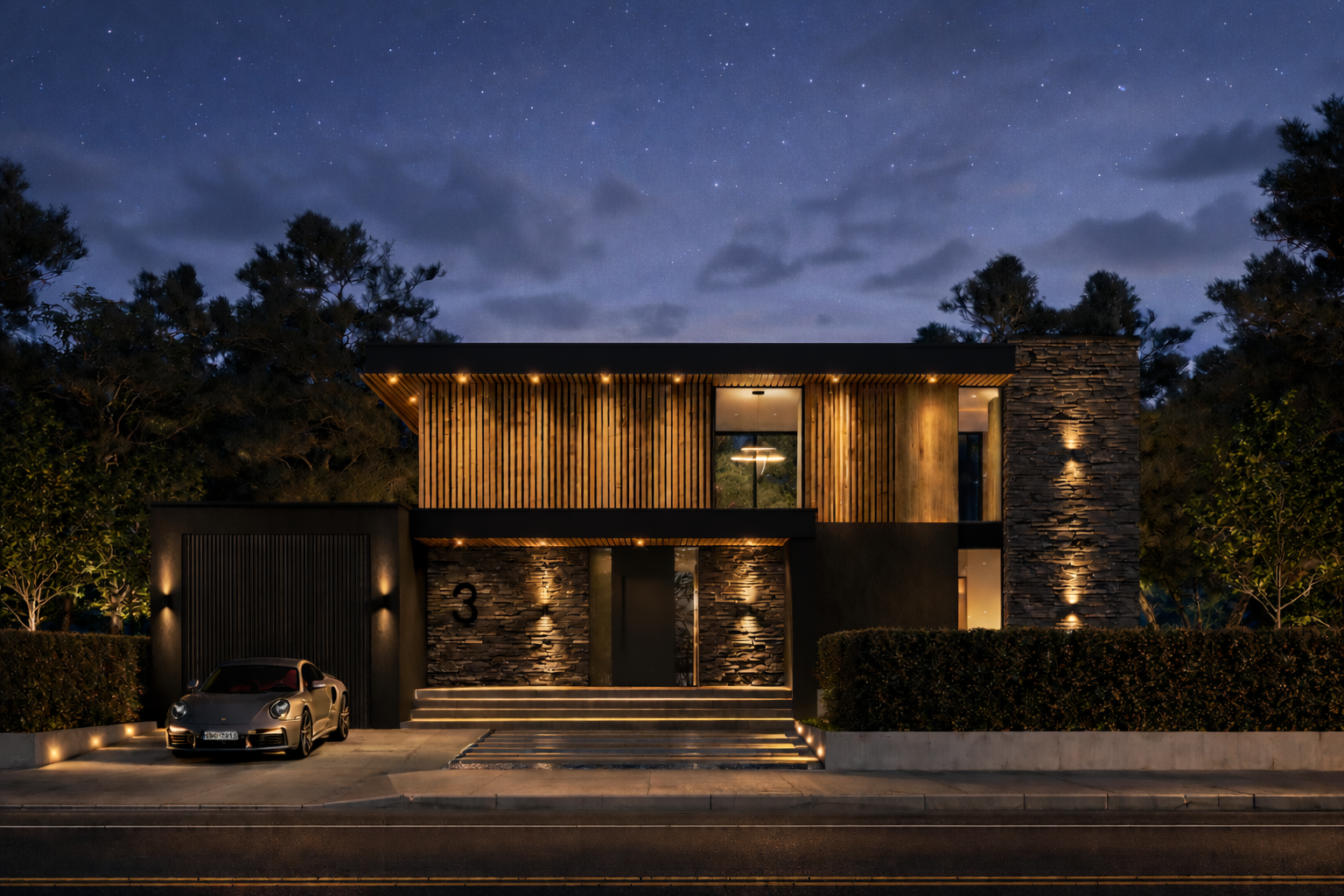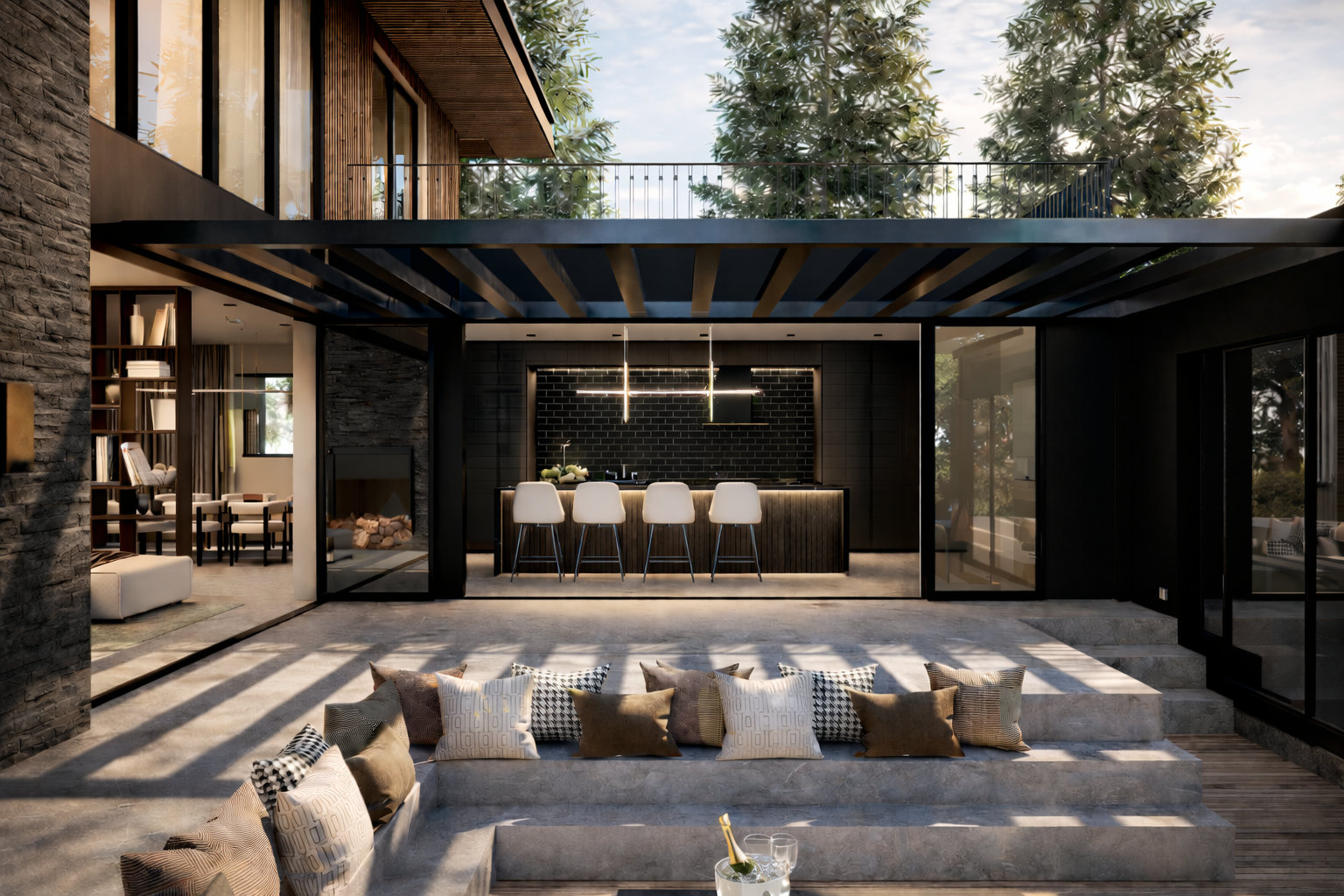
Private Residence Lomma is a full-scale architectural transformation of an existing detached house in Lomma, Sweden — a project by ZU Arkitekt that redefines what a luxury home renovation can achieve within the constraints of an established residential plot. The original single-storey structure was competent but limited: its spatial potential was largely untapped, its relationship with the garden underdeveloped, and its capacity for contemporary family life considerably below what the site could support.
Through the addition of a complete upper floor and a comprehensive reconfiguration of the ground-level plan, the residence has been fundamentally rebuilt in everything but its footprint. The result is a modern Nordic home with spatial depth, strong architectural identity, and a clear internal logic that serves the full range of how a family actually lives — from focused work in the morning to shared life in the evening, from quiet privacy to generous connection with the garden outside.
The starting point for the project was a clear and honest assessment of what the house was, and what it could become. Single-storey homes on generous plots carry a specific kind of untapped potential: the land beneath them is well-used, but the volume above them is not. At Lomma, the decision to build vertically was the most consequential of the entire project — it changed not only the capacity of the house but its spatial character entirely.
“Good residential architecture transforms not only how a home looks, but how everyday life unfolds within it.”
The design vision was guided by Scandinavian residential principles that ZU Arkitekt applies consistently across projects of this type: spatial clarity, material warmth, a disciplined relationship between structure and light, and a commitment to designing for how a household actually moves through and uses a home rather than how it might appear in a photograph. For a family with two working adults, a home must accommodate focused concentration and open sociability within the same walls, often at the same time. The zoning strategy at Lomma addresses this directly.
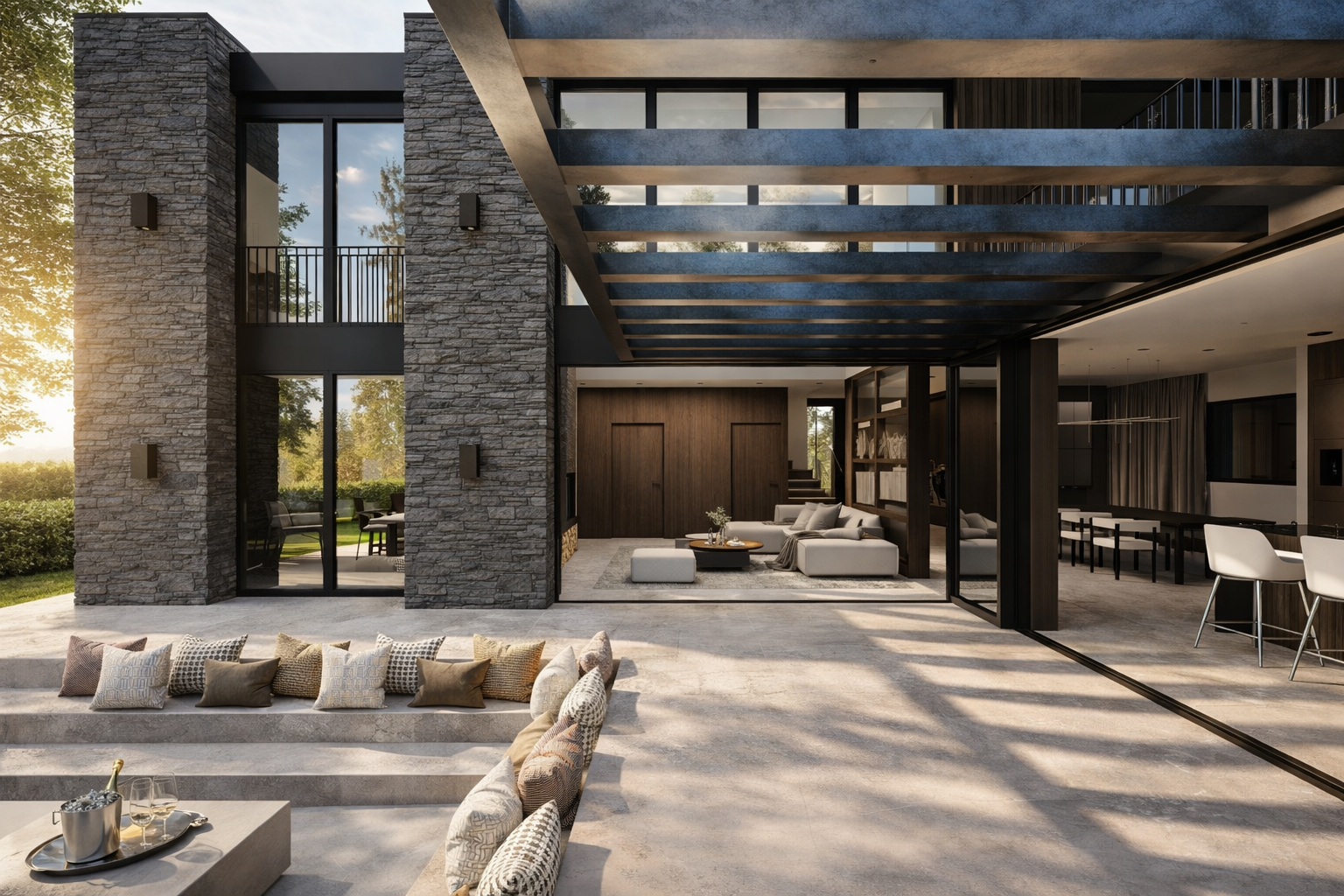
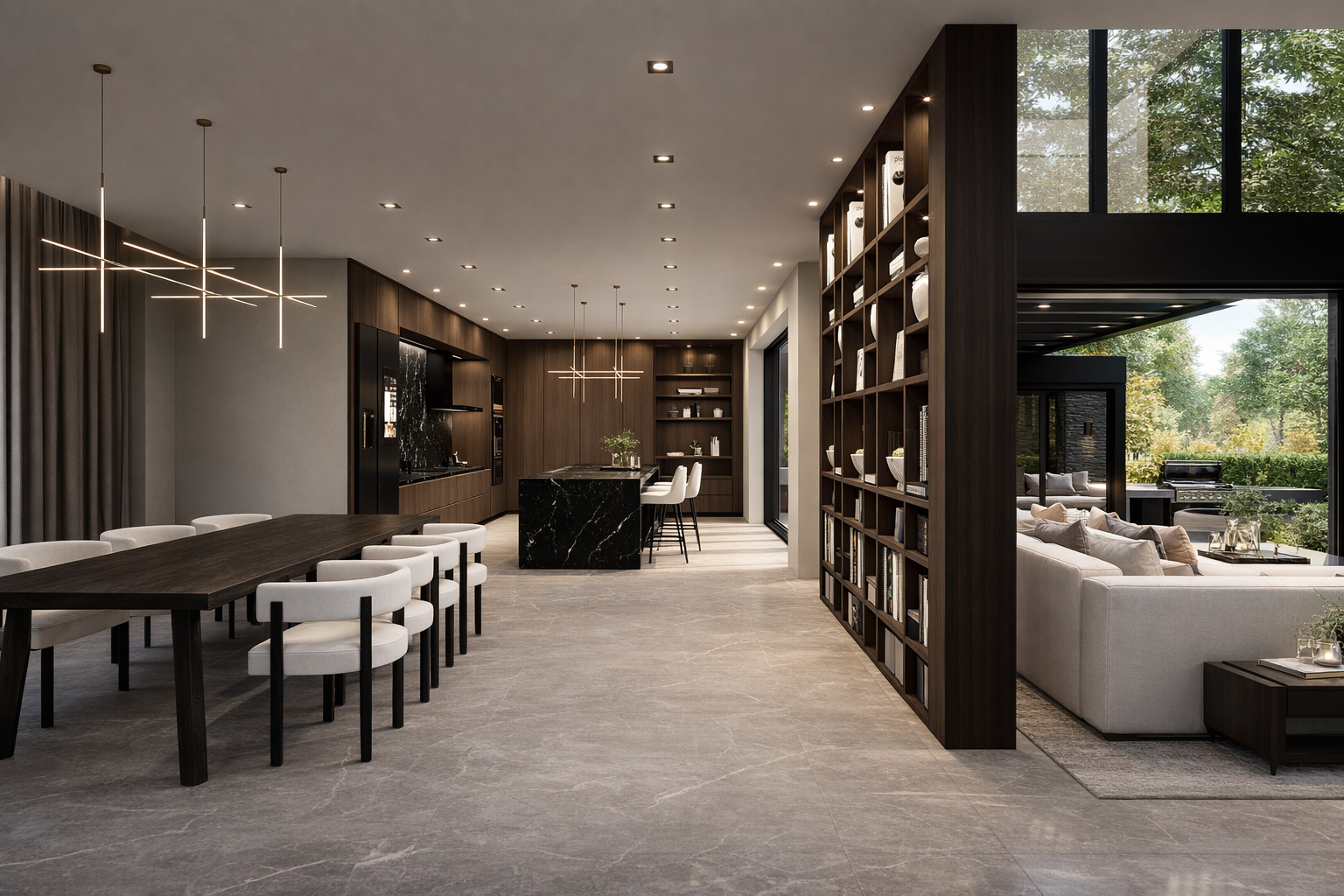
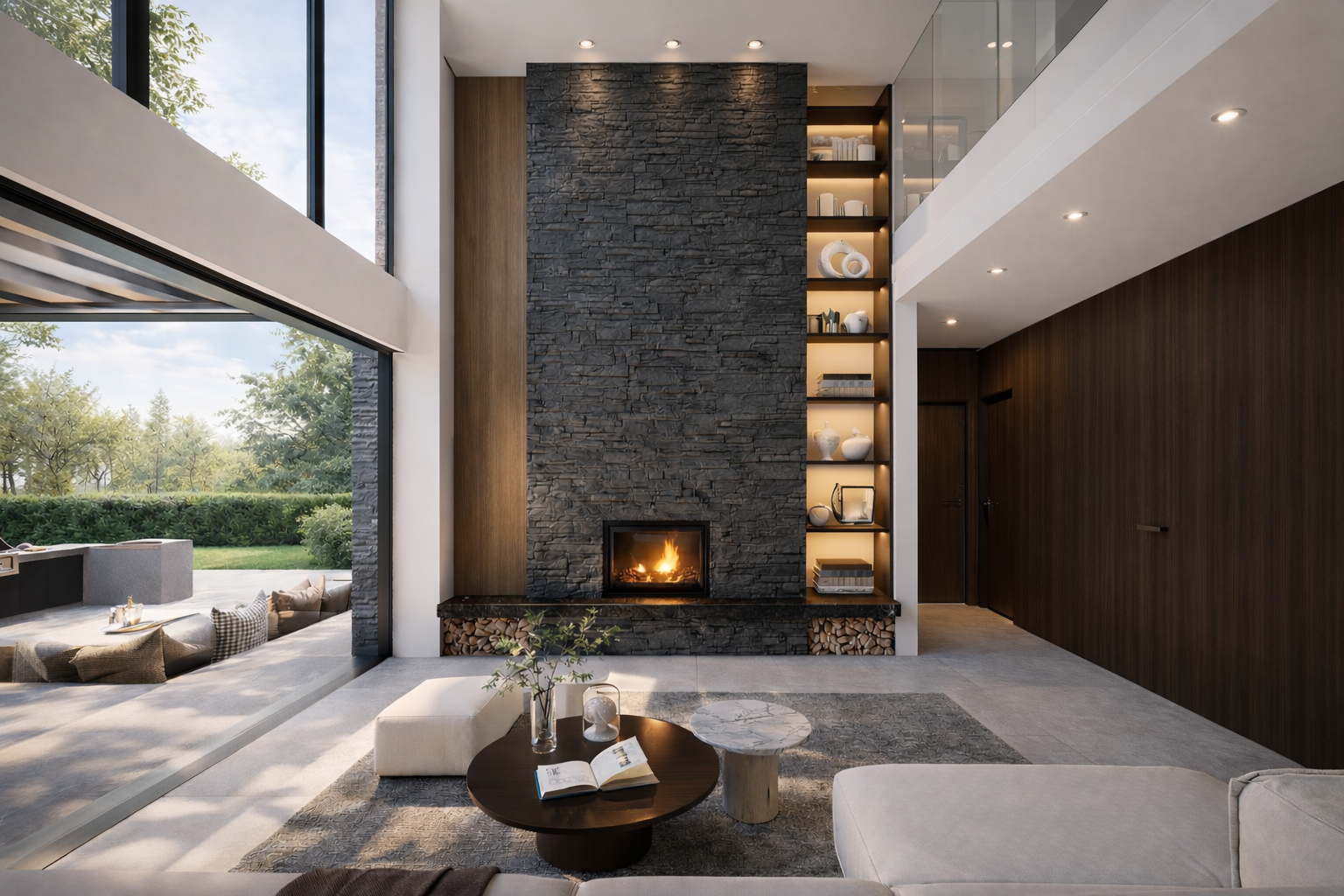
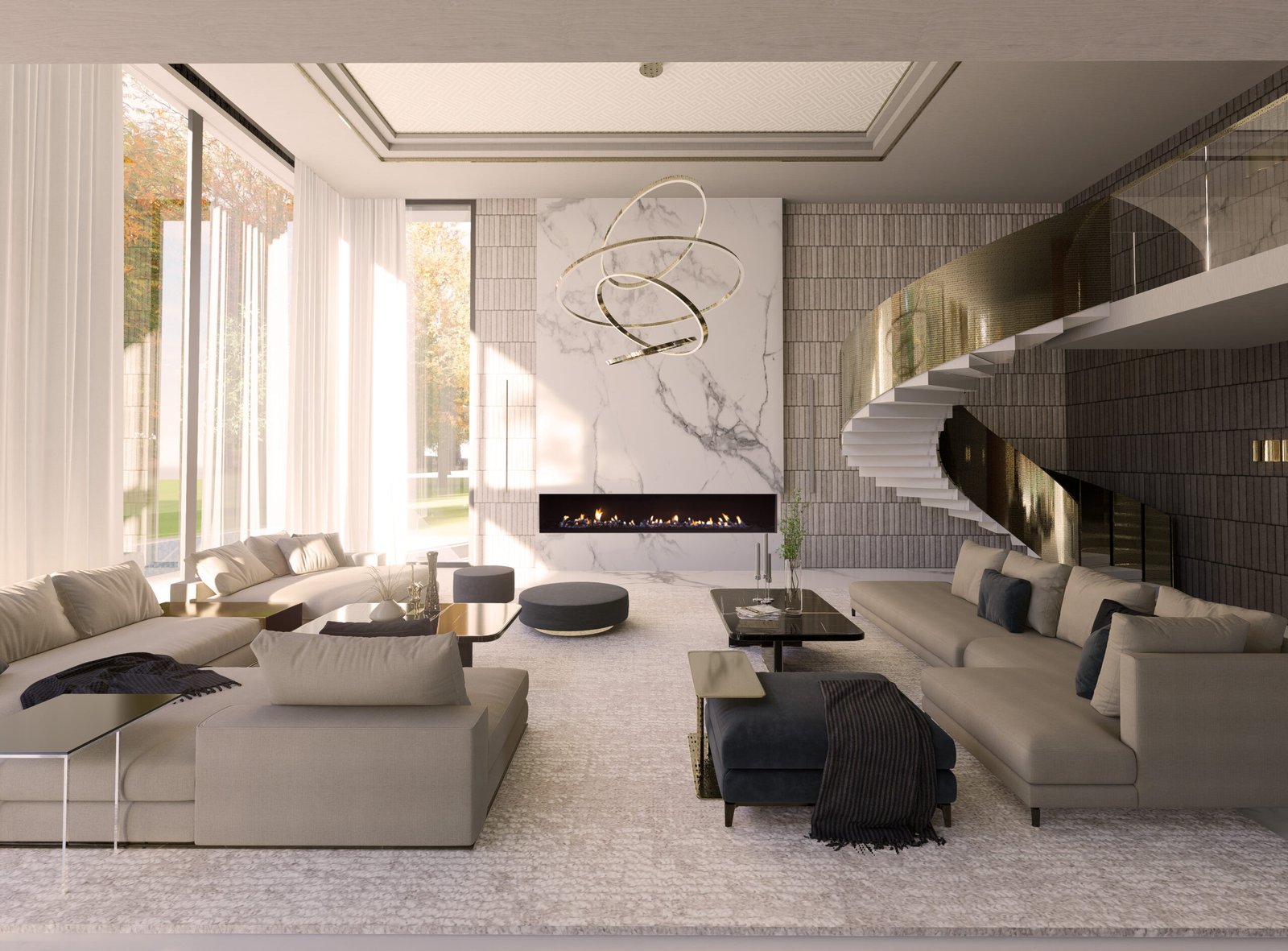
The double-height living volume — created where the upper floor opens over the main social space below — is the spatial heart of the transformed house. It brings height into a home type that typically has none, and with that height comes a quality of light that changes the character of every room adjacent to it. Nordic residential design has long understood that daylight is not simply a practical requirement but a material in its own right: at Lomma, the double-height volume and the large garden-facing openings treat it as such.
Several elements of the project were designed specifically for the house: the connecting bridge, stair details, built-in joinery in the kitchen and sleeping areas, and the threshold conditions between inside and garden. These bespoke components give the residence a degree of specificity that distinguishes it from a house assembled from standard parts — the details are integral to the spatial experience rather than decorative additions to it.
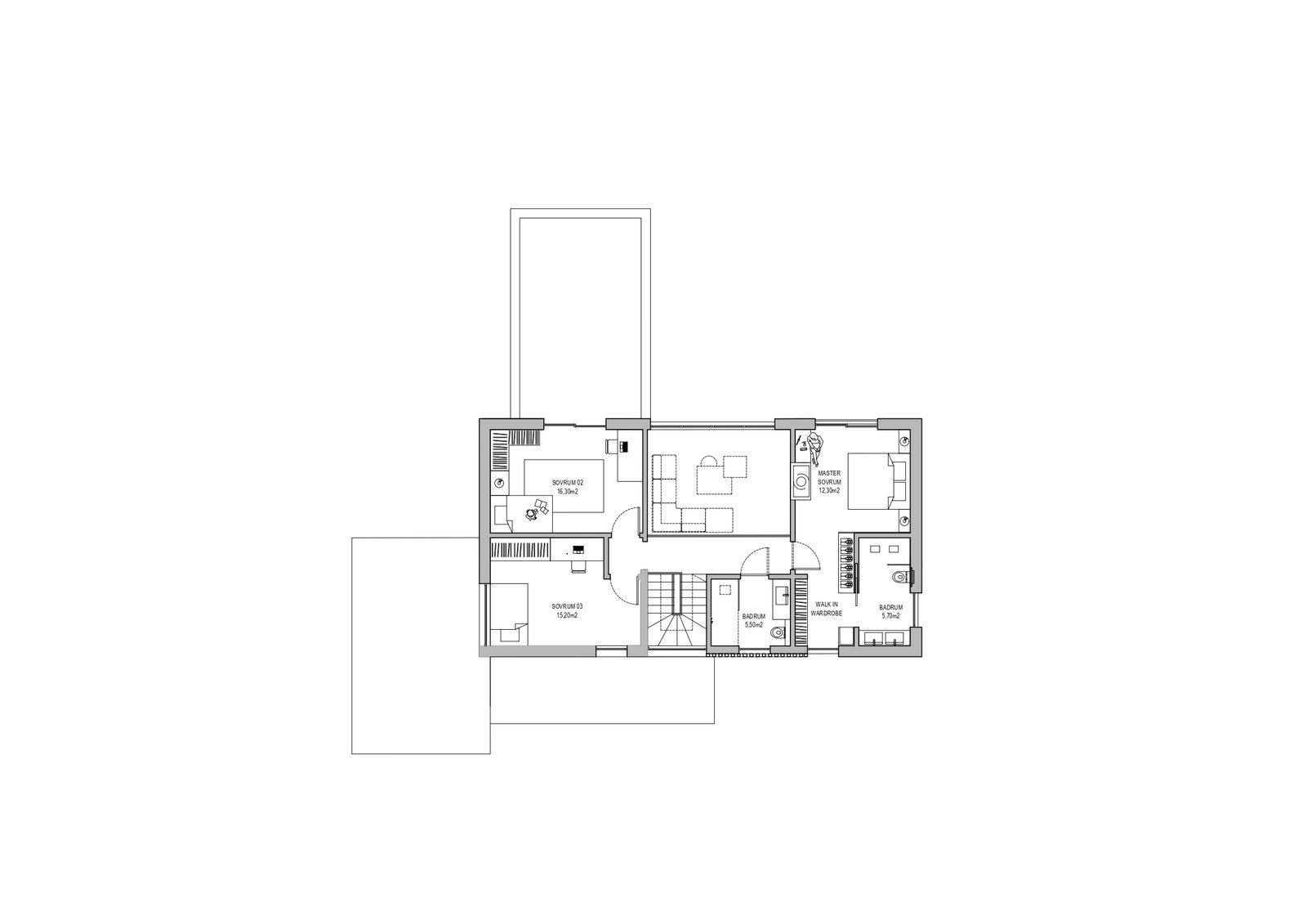
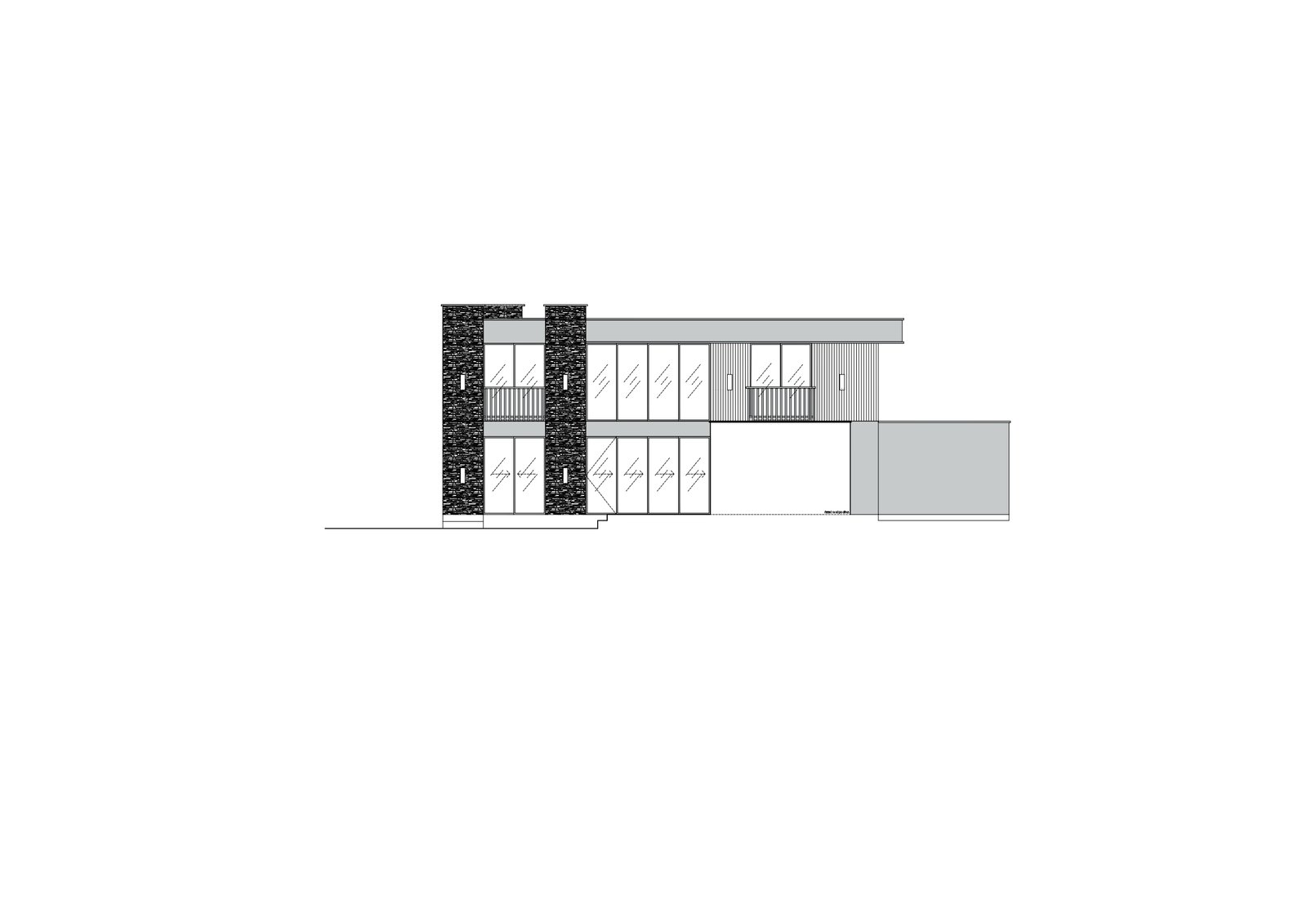
The bridge linking the master suite with the children’s bedrooms is the architectural element that gives the upper floor its spatial identity. It spans the double-height living volume below, creating a moment of visual and spatial connection between the two floors that is experienced from both levels — from the living room, the bridge is a legible element overhead; from the bridge itself, the full depth of the double-height space opens beneath. The bridge is not a circulation device alone; it is the element that makes the vertical relationship between the floors felt rather than merely understood from a floor plan. Structurally minimal and detailed with care, it contributes to the character of the house in a way that a conventional landing corridor could not.
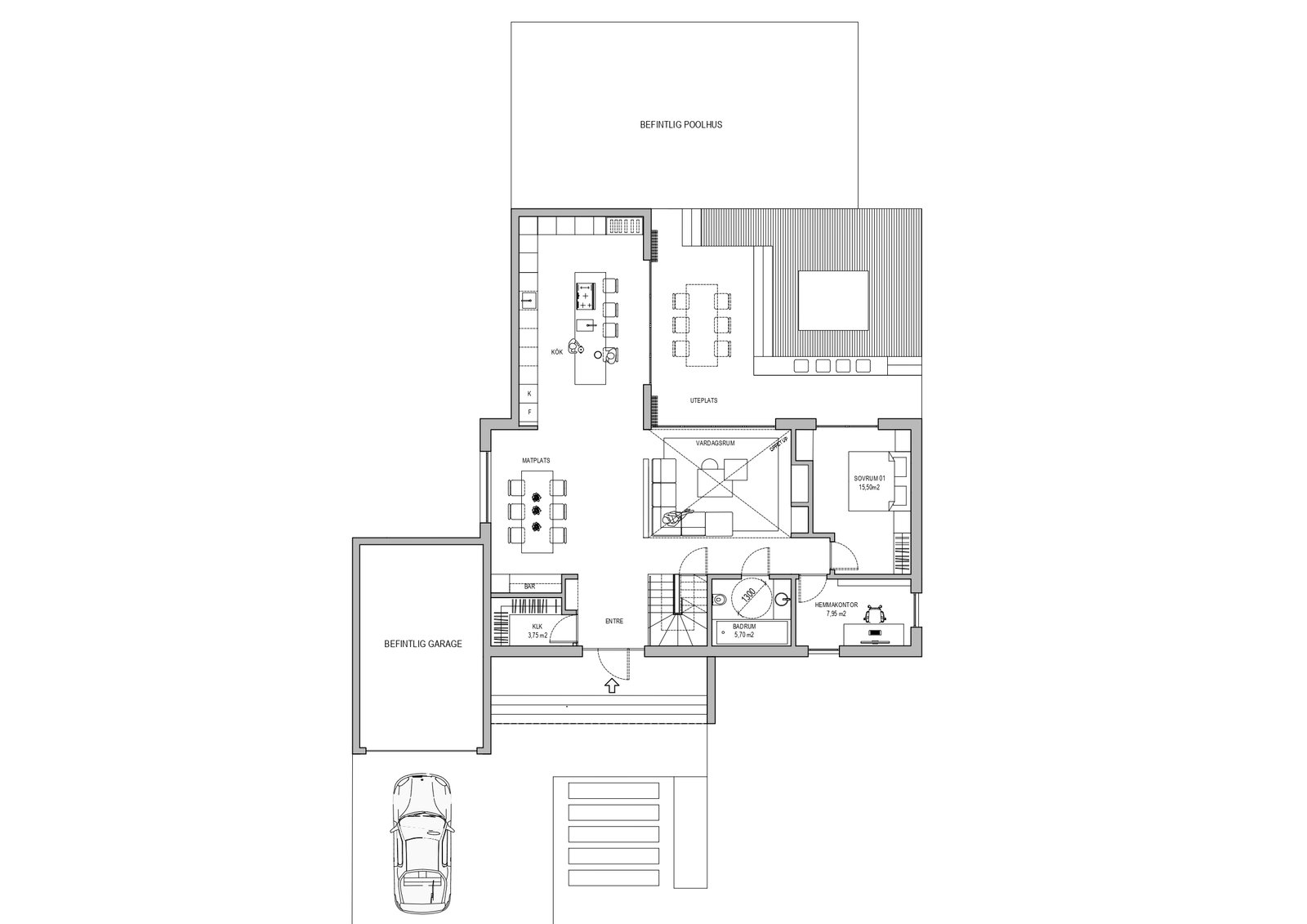
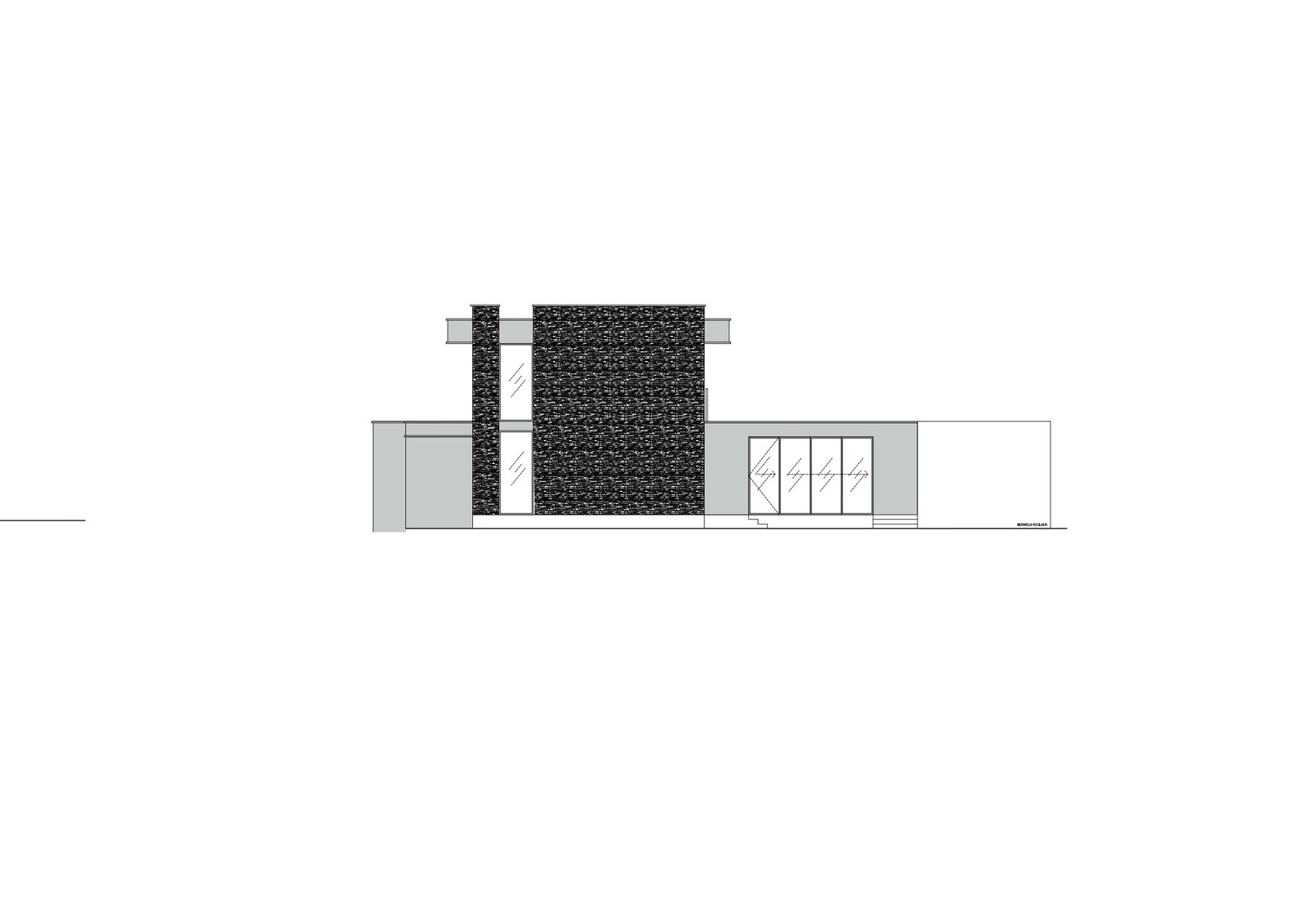
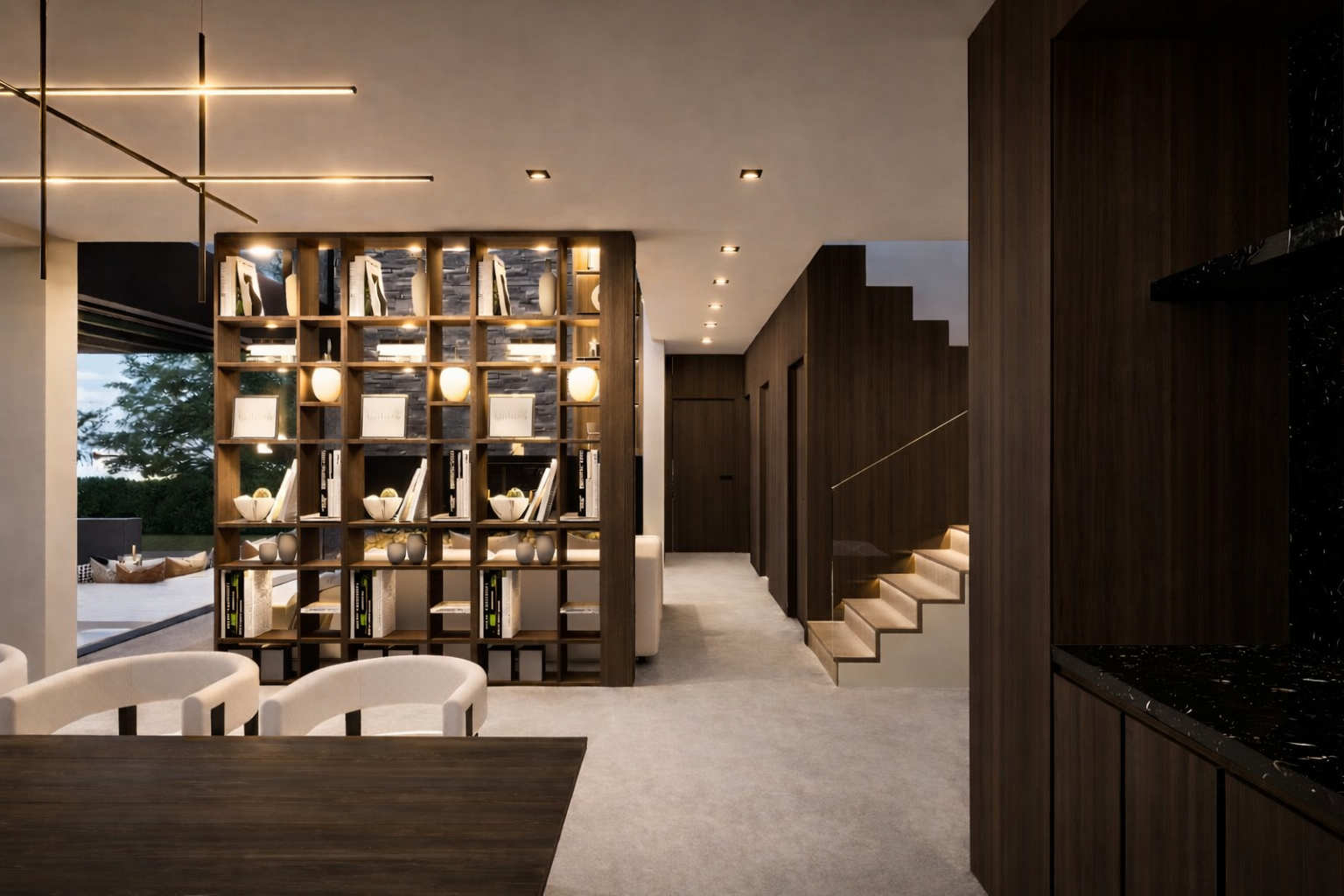
The ground floor social space is organised as a continuous volume that extends from the kitchen through the dining area into the living room and opens directly towards the garden through large glazed panels. This open-plan living arrangement is not a spatial gesture but a considered response to how the household uses the home: the kitchen, dining, and living zones are distinct in function but connected in experience, allowing the family to inhabit the space differently at different times of day without moving between disconnected rooms. The indoor-outdoor threshold was designed as part of the same spatial sequence — the garden is not a view from the living room but a continuation of it.
A renovation of this ambition — adding a full floor, reorganising the plan, and redesigning the façade of an occupied residential property in an established neighbourhood — presents a specific set of challenges that a new-build project does not. The existing structure is both a constraint and a resource: its dimensions, its orientation on the plot, and its relationship with neighbouring properties all shape what the new design can be.
The original ground floor plan had been arranged around a series of separate rooms, each with its own identity but none with sufficient scale to feel generous. Removing the partition structure and reorganising the layout around a continuous open-plan volume required careful structural coordination — the walls being removed were load-bearing in several places, and their replacement with spanning structure was a significant engineering task as well as an architectural one. The effort was justified by the transformation: the ground floor before and after the renovation are barely recognisable as the same space.
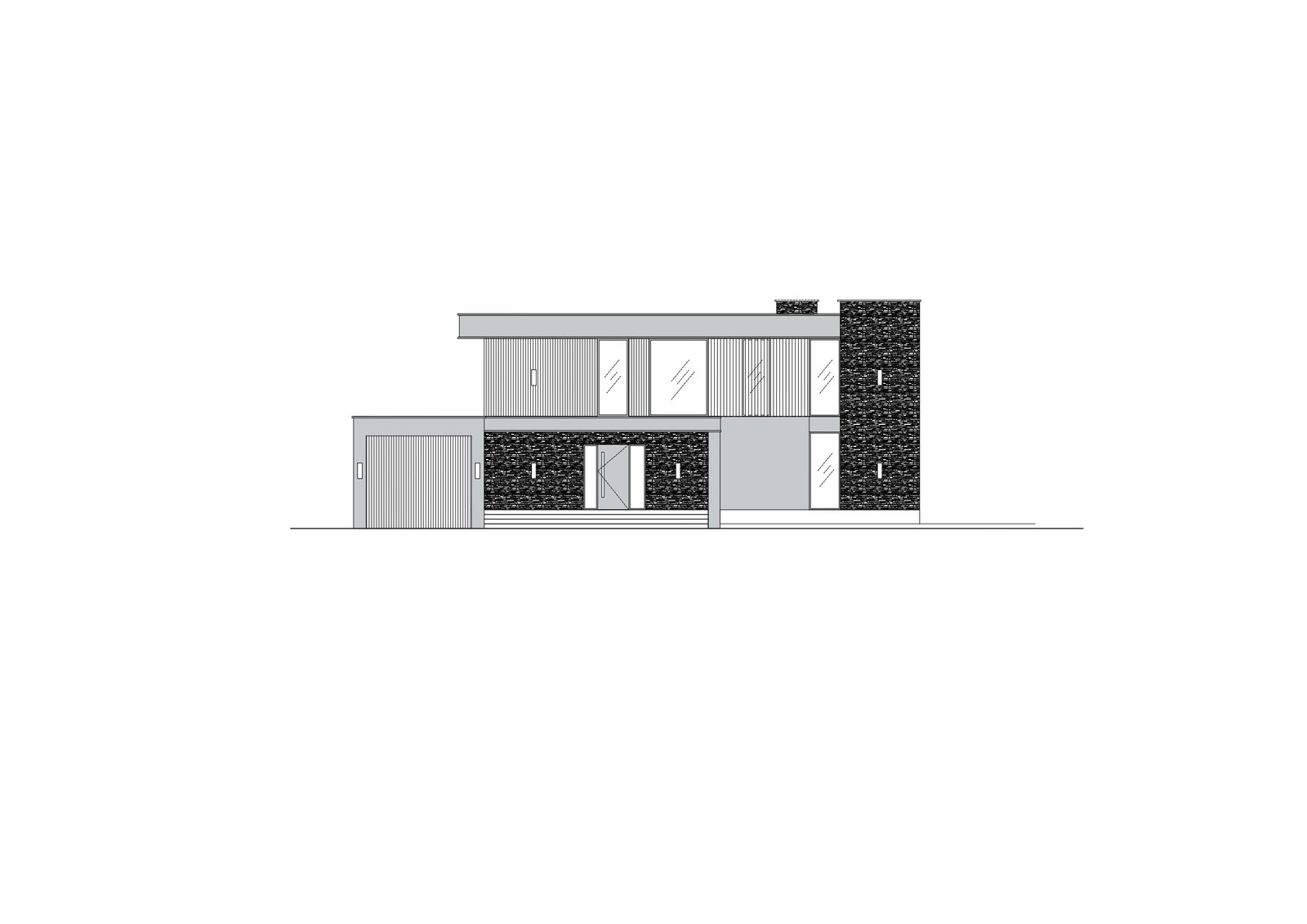
A second floor added to an existing building risks reading as exactly that — an addition rather than a whole. At Lomma, the design of the new upper floor was developed in close relation to the existing structure below, with the massing, roof form, and material treatment all studied to ensure the completed house reads as a single resolved object rather than a renovation with a visible seam at first-floor level. The consistent material palette across both floors, and the way the double-height void connects the two levels internally, are the primary means by which this coherence is achieved.
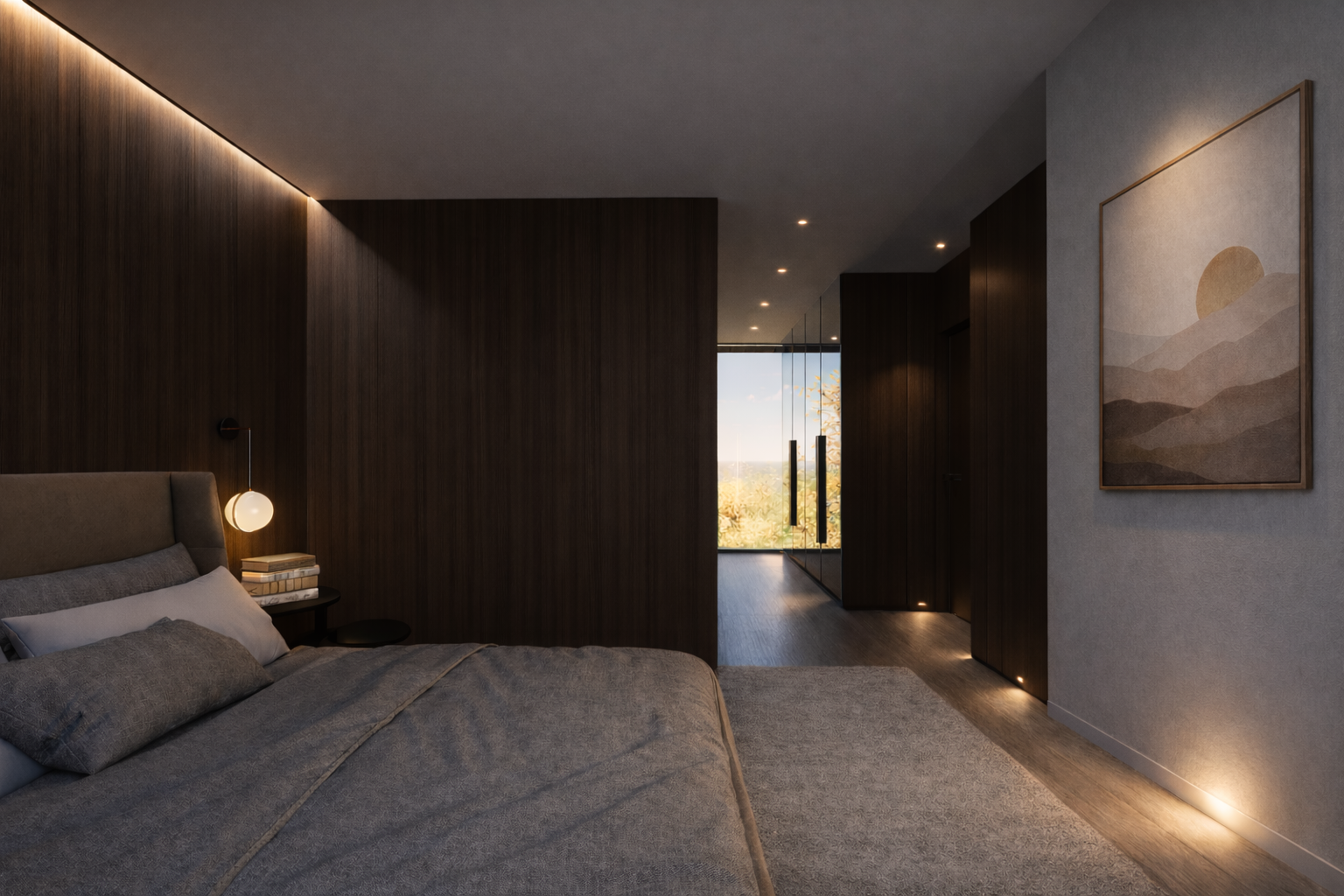
The original house had no meaningful separation between social and private spaces — everything was on one level, and the limited acoustic and visual separation between rooms made it difficult for the household to function simultaneously in different modes. The vertical extension resolves this fundamentally: the sleeping programme moves upstairs, and the ground floor is freed to function as an uncompromised social space. This is not simply a practical improvement; it changes the experience of the home in a way that a reorganisation of the existing floor plan alone could never have achieved.
Lomma is an established residential neighbourhood with an existing character and a planning framework that shapes what is and is not appropriate. The detached house extension had to be justified to the municipality as consistent with the neighbourhood’s scale and character, and the architectural strategy — restrained massing, familiar materials, a roof form that relates to the surrounding context — was developed with this requirement in mind from the outset. The planning process was managed in full by ZU Arkitekt, and the approval was secured without significant amendment to the design.
The completed renovation and extension at Lomma delivers a transformation that goes well beyond the addition of floor area. The house is now spatially generous, functionally precise, and architecturally coherent in a way that the original single-storey structure was not capable of being — and it achieves these qualities through design intelligence rather than through scale alone.
The double-height volume and large garden-facing openings transform the light quality of the ground floor entirely. Daylight reaches the centre of the plan at angles and elevations the original structure could never provide, making the home feel genuinely brighter across all seasons and all times of day.
Two home offices on the ground floor and a fully separate private sleeping zone upstairs allow the household to function as a working family home without one mode of living intruding on another. This is modern family home design that addresses how households actually operate today.
The addition of a full upper floor with a private sleeping zone, the open-plan ground floor, and the quality of the interior finish represent a substantial increase in both the usable area and the market value of the property. The spatial clarity of the plan also means the house can adapt to changing household needs over time without structural intervention.
Private Residence Lomma — project reference Villa Allegatan — is a full-scale renovation and vertical extension of a detached house in Lomma, Sweden, completed by ZU Arkitekt in 2025. The project transforms an existing single-storey home into a two-storey contemporary Nordic residence through the addition of a new upper floor, a complete reconfiguration of the ground-level plan, a new façade strategy, and a comprehensive interior design concept. ZU Arkitekt is a Scandinavian architecture studio based in Malmö, Sweden and London, UK, working on residential and commercial projects across Scandinavia and Britain.
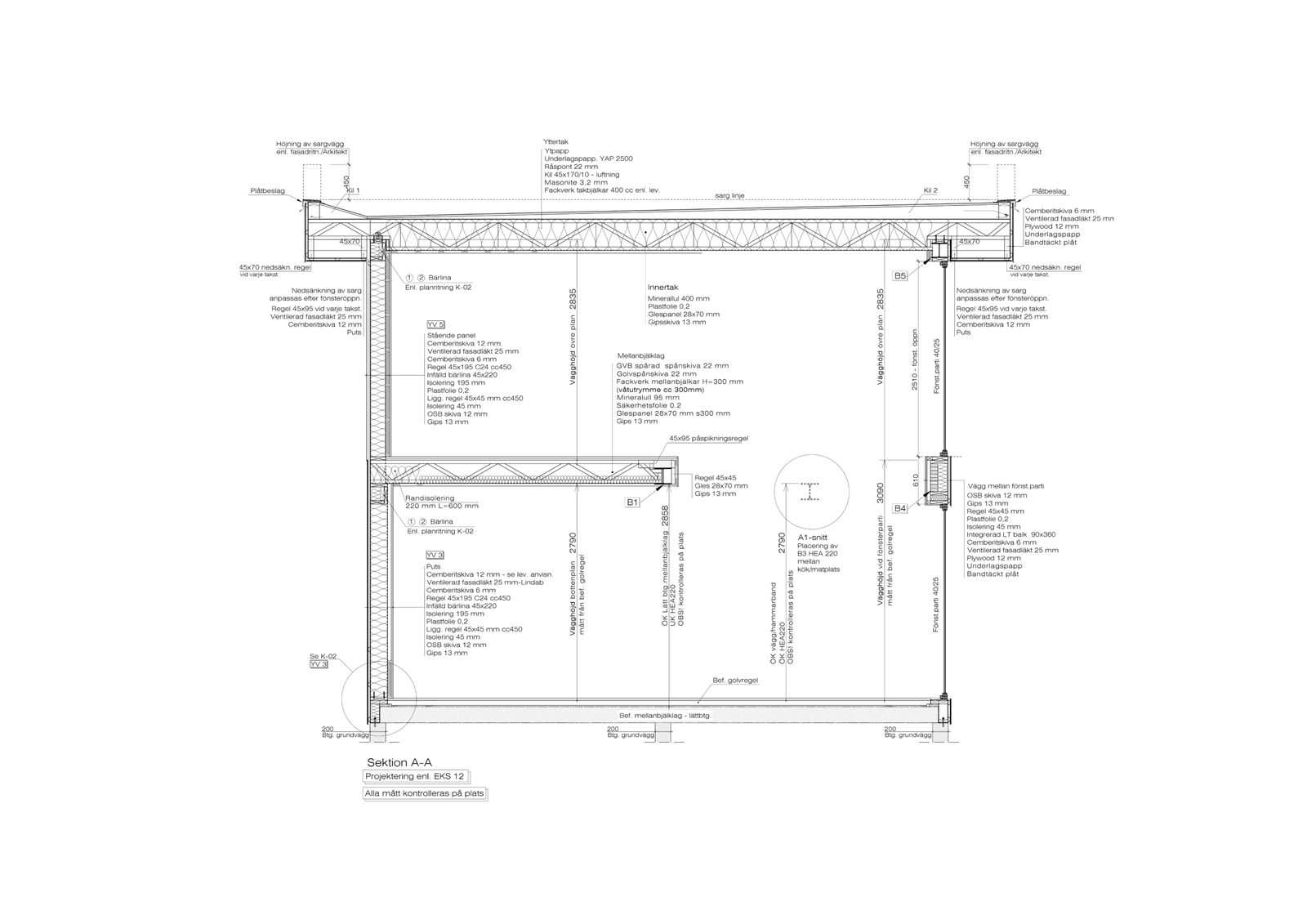
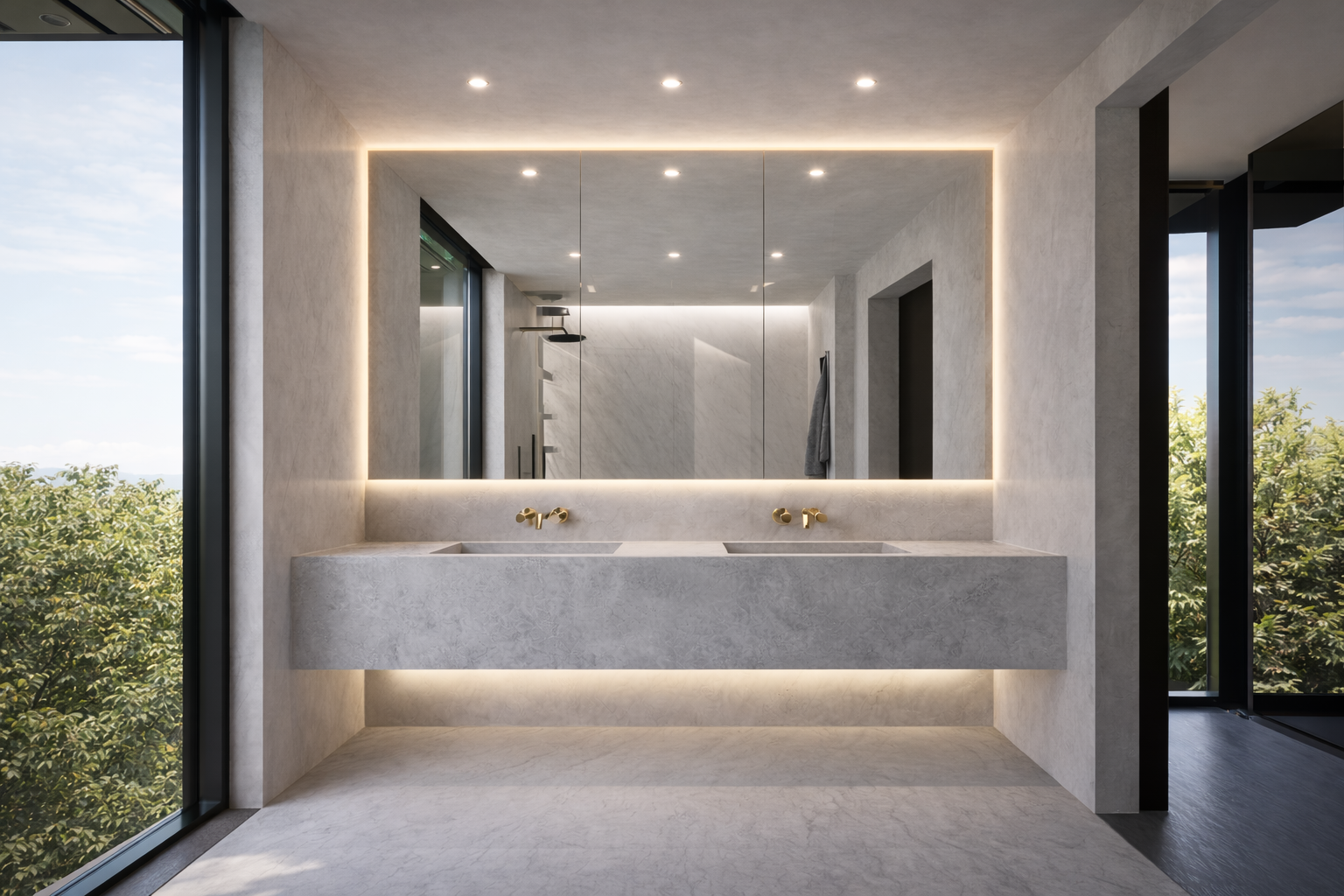
A full Scandinavian house renovation of this scope involves the architectural redesign of the existing interior plan, structural modifications to accommodate an open-plan layout, new façade design and material specification, a complete interior design concept, and — where a vertical extension is involved — the structural design and planning approval for the new floor. At Lomma, ZU Arkitekt managed the entire process: from initial feasibility and concept development through planning coordination, structural design, interior design, custom detailing, and delivery. The renovation extended to every aspect of the house visible and experienced by its occupants.
A double-height living space is a room or zone in which the ceiling height extends through more than one floor level — in this case, the living area on the ground floor opens vertically into the upper floor, with the floor slab absent over part of the space. The result is a room with significantly greater height than a standard residential ceiling, allowing daylight to enter from higher-level openings and giving the space a sense of scale and openness that single-height rooms cannot achieve. At Lomma, the double-height volume connects the ground floor social space visually with the upper floor bridge and sleeping areas, making the vertical relationship between the two floors a spatial experience rather than just a functional one.
The connecting bridge at Private Residence Lomma is a walkway spanning the double-height void at upper floor level, linking the master suite on one side of the plan with the children's bedrooms on the other. It is the primary circulation route between the two sleeping zones on the upper floor, but its architectural significance goes beyond circulation: positioned over the living room below, it creates a visual connection between the two floors that makes the spatial relationship between them felt from both levels. From the ground floor, the bridge is a visible overhead element that articulates the height of the double-height space; from the bridge itself, the full volume of the living area opens below. It is one of the bespoke elements designed specifically for this house.
ZU Arkitekt approaches luxury home renovation in Sweden through the same principles it applies to new-build residential projects: spatial clarity, material honesty, and a design process that begins with how the household actually lives rather than with formal architectural intentions. For renovation projects specifically, the studio starts with a careful reading of the existing building — its dimensions, structure, orientation, and relationship to the plot — and develops a strategy that maximises the potential already present in the property. The Lomma project is a strong reference: the house was transformed not through extravagance but through disciplined spatial and material decisions that together produced a fundamentally different quality of living environment.
Yes. Adding a second floor to an existing single-storey or low-rise detached house is a project type ZU Arkitekt has direct experience with, as demonstrated at Private Residence Lomma. The process involves a structural assessment of the existing building, feasibility work on the proposed extension, development of the architectural design, preparation of a Swedish building permit application, and coordination through the approval process with the relevant municipality. The design of the extension must respond carefully to the existing structure below and to the character of the surrounding neighbourhood — both architectural and planning considerations that ZU Arkitekt addresses as a single integrated design task. Contact the studio to discuss your property.
ZU Arkitekt operates from studios in Malmö, Sweden (Enhersvärdsgatan 1) and London, UK (13 Elborough Street, SW18 5DP). The studio offers a full architectural service for residential projects including new-build villas and detached houses, extensions and vertical additions, full renovations, interior design, and planning coordination. Projects span Sweden and the United Kingdom. The studio can be reached by telephone at +46 70 445 9741 or through the contact form at zuarkitekt.com/contact-us. Every project begins with a conversation about the specific property and the client's aspirations for it.
Extension, renovation, and luxury residential architecture — ZU Arkitekt